How to host a cookbook club when everyone has a small kitchen
· Editorial team chicagonewsdaily7.com
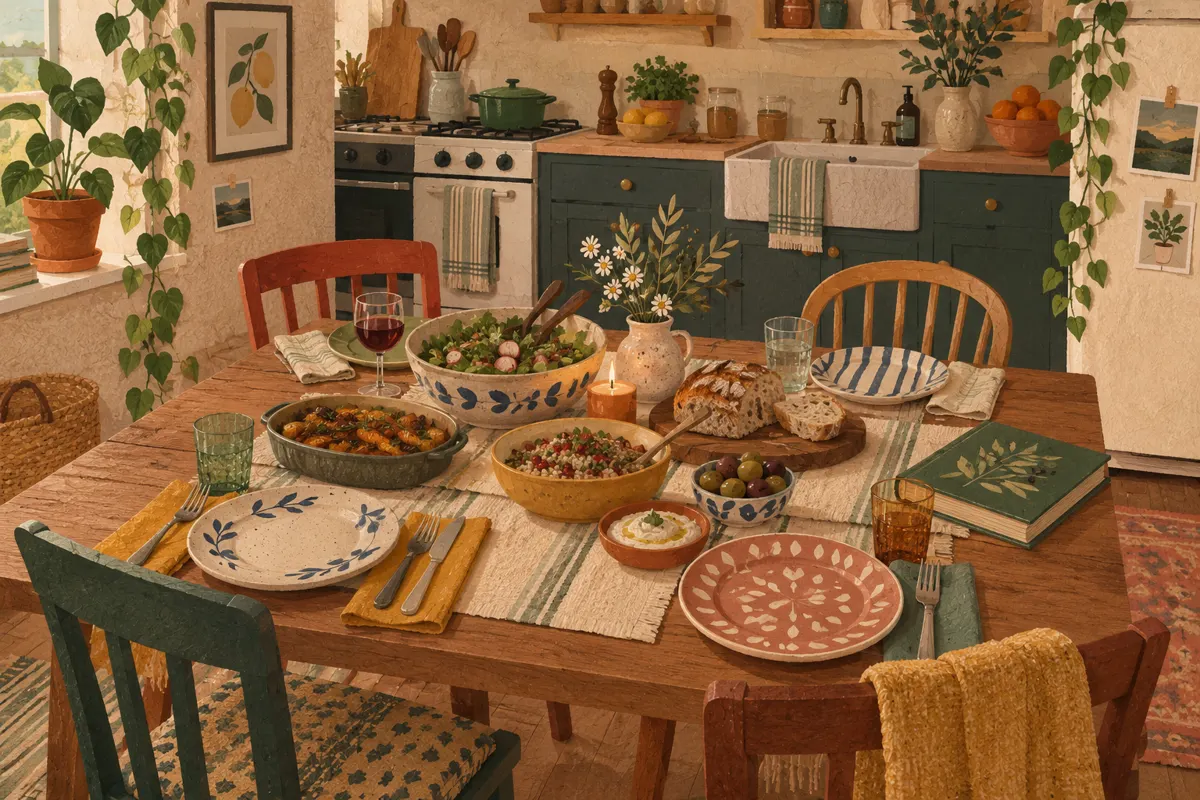
Host a cookbook club in a small apartment by having everyone cook a dish at home from the same book, then gather to taste and discuss the results. Keep the group small, agree on kitchen needs before choosing recipes, and reserve the host’s counters for serving. The proposed format below combines a potluck with a little planned finishing time.
Start with the seats you have
A cookbook club brings people together over recipes from one cookbook. Both cooking together and bringing prepared dishes are established formats. For a small kitchen, a potluck gives each person room to work at home and leaves the gathering focused on eating and conversation.
For a first meeting, our proposal is four people, including the host, provided everyone has somewhere comfortable to sit and eat. Invite according to your actual seating rather than how many people can squeeze through the door. A cleared desk can hold serving dishes; a side table can hold drinks.
- Everyone prepares one agreed dish before arriving.
- The host provides seating, plates, and a clear serving area.
- Each cook brings a serving utensil and takes their container home.
- Ingredient spending and any shared costs are agreed in advance.
Choose a book that fits your kitchens
Choose the cookbook together before assigning dishes. Make sure everyone can access it, then look through several recipes rather than deciding from the cover. Ask whether the ingredients, equipment, and preparation times fit the group’s budgets and kitchens. Someone with one saucepan should still have a realistic option.
Ask about allergies and dietary needs before building the menu. Agree on suitable recipes and have cooks share ingredients and substitutions. Do not assume that a cookbook’s general theme makes every recipe suitable for everyone.
Also decide how much reading you expect. Libby Life suggests agreeing whether discussion will cover recipes alone or introductory material too. A manageable proposal is to read your recipe, its headnote, and one short passage from the introduction.
Assign dishes by how they will arrive
Use one shared message thread to claim recipes and avoid an accidental dinner of four desserts. Our proposed menu is one substantial dish, two accompaniments, and one dessert. Choose quantities for tasting several dishes together; each contribution need not feed everyone a full meal.
- Can I carry it in a secure container without assembling it on arrival?
- Does it need refrigerator space, reheating, or last-minute cooking?
- Can I bring it in the dish it will be served from?
- Should dressing, garnishes, or crisp toppings travel separately?
For the first gathering, favor recipes with little finishing work. A baked dessert or a salad assembled with dressing on arrival may suit the format better than individual portions that require continuous frying. Read the complete recipe before committing, including resting, chilling, and equipment requirements.
Give every kitchen task a turn
The host should ask about appliance needs before the day. If several dishes need the same oven or burner, revise the menu or agree on an order. Our proposal is to allow only one guest finishing task at a time, with the rest of the food ready to serve.
- Clear a landing spot for incoming containers and reserve any agreed refrigerator space.
- Put plates, cutlery, water, and napkins outside the cooking area.
- Have each cook place ready dishes on the serving surface.
- Complete agreed reheating or assembly tasks in sequence, with one person using the kitchen.
- Move finished dishes out promptly and keep the sink accessible.
Talk about the book and plan the next meal
Once everyone is seated, let each cook introduce their dish briefly. Keep the conversation curious: a recipe that proved awkward can offer as much to discuss as one that worked smoothly. Nobody needs to deliver a presentation or defend a substitution.
- Which instruction or technique taught you something?
- Where did you need more explanation?
- How did the headnote or introduction change your understanding of the dish?
- Would you cook this again, and what would you change?
Before leaving, choose the next date and host. Emily Belson describes rotating hosts and setting the next date together as part of her club’s routine. Share cleanup, pack containers, and adjust the next menu around what your kitchens comfortably handled.