How to plan a food-focused day trip without a car
· Editorial team chicagonewsdaily7.com
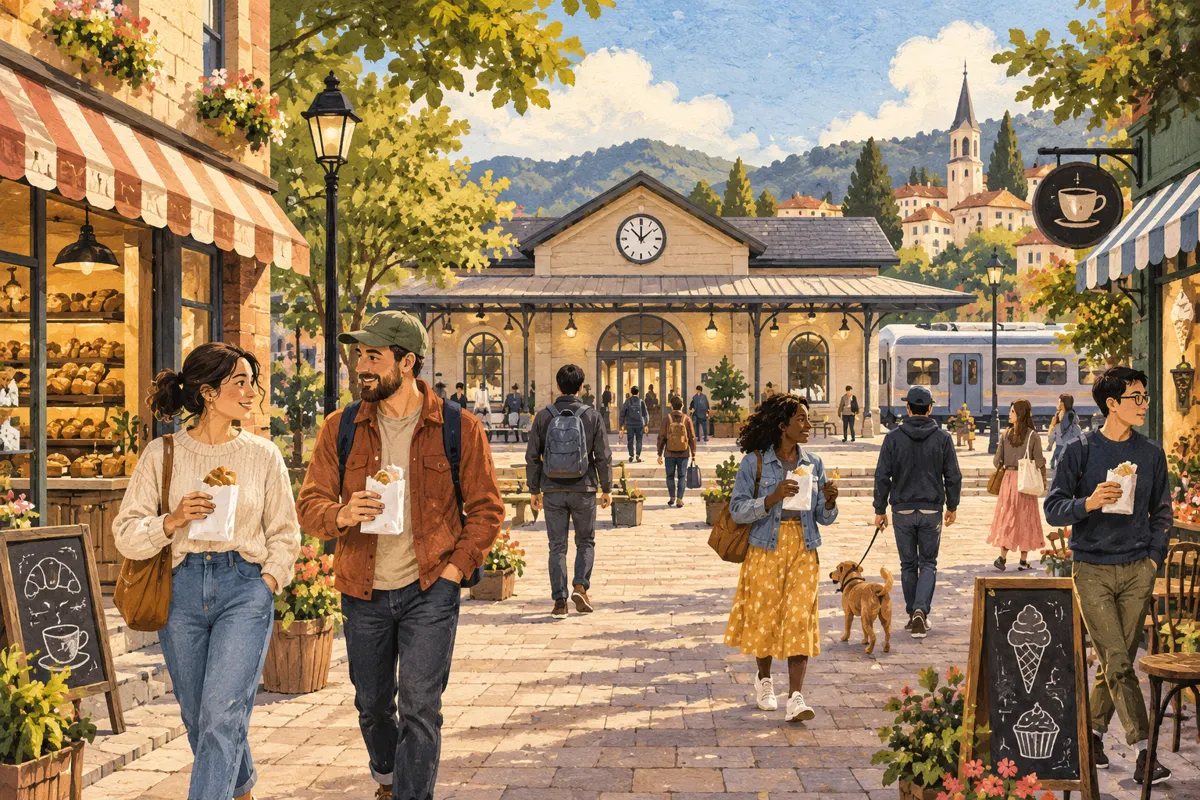
Choose one walkable destination with a manageable transit connection, plan your main meal near the arrival station, and leave gaps for snacks and discoveries. Work backward from your return journey so eating and exploring fit comfortably into the day. The itinerary below is an editorial proposal you can adapt to your starting point, appetite, and walking needs.
Choose a destination you can explore on foot
Start with the area around the station or bus stop, rather than a list of restaurants scattered across a region. Look for a compact cluster of places to eat, somewhere pleasant to walk, and an indoor place to rest. A destination loses its appeal if every meal requires another connection.
For a Chicago departure, Geneva is one candidate to investigate: Outside’s transit getaway guide describes reaching it by Metra and exploring from the station on foot. Treat that older account as a starting point, then check the operator’s current schedule and map the actual walking route before committing.
- Compare the full door-to-door journey, including travel to your departure station.
- Check service for your chosen day, including transfers and the return direction.
- Map walking distances between arrival, food stops, and departure.
- Check step-free access and suitable walking routes if anyone needs them.
Build the day around one main meal
Pick one meal you would be disappointed to miss, then arrange the other stops around it. A sit-down lunch can give the day a clear midpoint; a bakery visit or afternoon snack can stay flexible. The supplied group food-route guide emphasizes compact neighborhoods, reservations, dietary needs, and timing as planning foundations.
- Confirm the main stop’s opening hours, menu, and reservation requirements for your date.
- Check dietary requirements directly with the venue, including allergy questions where relevant.
- Choose one nearby alternative in case the first stop is unavailable.
- Add optional snacks along the walking route instead of scheduling several full meals.
Set a spending limit before leaving. Include transport, your main meal, snacks, drinks, and any planned admission fees. Decide which extras you would skip if the day becomes more expensive than expected; an appealing display case should not have to make that decision for you.
Use a loose itinerary with room to wander
This proposed sequence keeps the route simple without assigning a deadline to every bite. Leave enough space after arrival to find your bearings, and avoid placing a reservation immediately after a connection that could run late.
- Arrival: locate the return station entrance and take a short orientation walk.
- First stop: have a small snack or drink if you want one.
- Main meal: keep your reservation or visit your chosen lunch stop.
- Afternoon: explore nearby streets and leave one food stop undecided.
- Departure: walk back with time to find the correct platform or boarding point.
Let curiosity guide the unscheduled stop. You might ask about a dish’s ingredients or how it is prepared, provided staff have time to talk. Secret Food Tours highlights walking and questions about food as ways to engage with a place. Buy what interests you, and skip another stop when you are comfortably full.
Prepare a compact weather backup
Check the forecast and wear shoes suited to the walking you have planned. Weather-appropriate clothing and comfortable footwear are also among the food-walking-tour preparations recommended by Secret Food Tours. Pack water, a charged phone, and only what you can comfortably carry all day.
As an editorial backup proposal, identify an indoor meal stop and a nearby indoor activity before leaving. Confirm their hours and access requirements. If rain, heat, or cold makes the longer walk uncomfortable, shorten the route around those places. Keep the backup close to transit so changing plans does not create a complicated journey home.
Make the return journey part of the plan
Choose a preferred departure and check whether a later service offers a workable fallback. Leave a buffer for finishing the meal, paying, walking back, and boarding. If missing your intended service would leave no practical way home, move the final food stop earlier or omit it.
- Save the route, timetable, and important addresses for access without a connection.
- Check how to buy, activate, or validate the required tickets.
- Recheck service alerts before the final stop.
- Set a reminder for when to start walking to the station.
- Check the connection from your arrival station back home.